Genesis Abrams’29
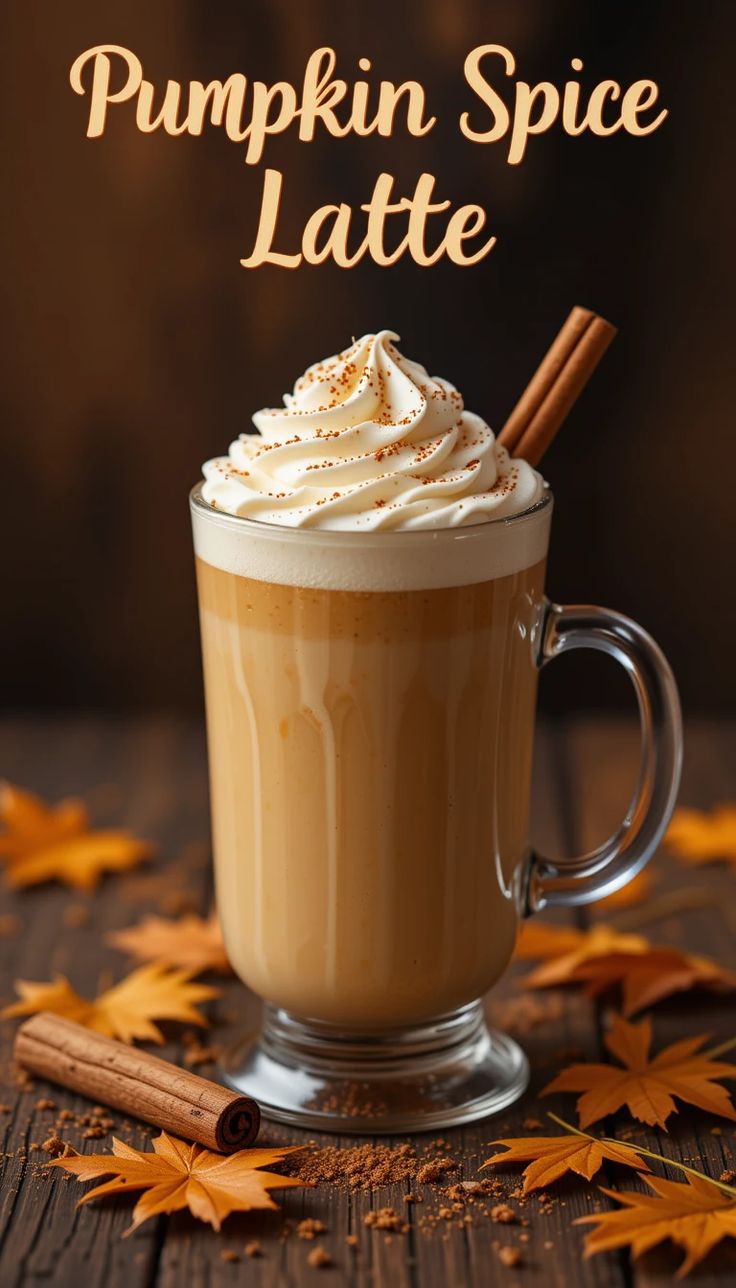
Pumpkin spice lattes. Some people flock to Starbucks or other local cafes each autumn to partake in the seasonal tradition; others dismiss them as passing fads. The phenomenon is so widespread it’s practically synonymous with fall itself. Yet, despite its popularity, pumpkin spice isn’t quite as authentic as it appears at first glance.
According to Starbucks, the pumpkin spice latte is built around two main main flavoring components: a sauce and a topping (Starbucks Corporation, 2025). The sauce does contain pumpkin puree—but only as a trace additive. Sugar, milk, annatto, and the elusive “natural flavors” dominate the mix instead. The topping, meanwhile, blends cinnamon, nutmeg, cloves, and ginger to create the “spice” element to the drink. This heavy reliance on spices rather than pumpkin should raise an eyebrow.
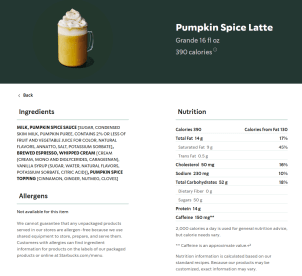
(As shown here, the pumpkin spice latte includes a pumpkin-flavored sauce, not fresh pumpkin puree as a primary ingredient.)
Since the drink contains little to no actual pumpkin, what are customers really paying for? Psychologists suggest the trend is fueled less by taste and more by scent and emotion (Rosen 2021). The carefully composed spice blend smells warm and comforting—powerful enough that the absence of real pumpkin doesn’t detract from the flavor of the beverage.
The polarizing nature of pumpkin spice both unites fans and drives away detractors. An expert from Rutgers University notes that pumpkin spice “triggers the trigeminal nerve, a part of the nervous system that varies from person to person” (“Why We Love Pumpkin Spice”). In short, someone who loves the flavor may never never understand why another person can’t stand it—the difference is biological. Unlike apple spice or other fall flavors, pumpkin spice pairs exceptionally well with coffee, explaining its continued success at Starbuck and other large brands.
Pumpkin spice has also expanded far beyond beverages. Bath & Body Works, for example, offers a range of “pumpkin spice” fragrances made entirely from synthetic ingredients (“Bath & Body Works,” 2025). These aromas still evoke warmth and comfort, proving that you don’t need a pumpkin to create pumpkin spice. Warmth still radiates from candles as well, so the fuzzy emotions are based on temperature instead of taste.
Aside from the scent, pumpkin spice platters also drive fall trends, both through social media hashtags and everyday conversation (Choi et al. 2025). Tracking their release dates reveals that most people now associate the start of fall with the return of the PSL (Choi et al. 2025). However, temperatures rarely align with this perception. Due to corporate marketing strategies, the drink is released earlier each year—this time debuting on August 26th, when temperatures were still in the high 80s (Choi et al. 2025).
Hot lattes and summer heat make for an odd pairing. As in previous years, pumpkin spice lattes dominated online searches for a day before interest quickly faded( Choi et al. 2025). Unlike in the past, when the drink held public attention for longer, enthusiasm now tends to shift elsewhere within days. Another factor in the trend’s decline is that the PSL is no longer exclusive to Starbucks—local baristas have created their own versions that are often more affordable and taste more authentic (Choi et al. 2025). Beyond coffee shops, the pumpkin spice theme has expanded to candles, skincare products, and homebaked goods, carrying the aroma and comfort of the flavor into other parts of daily life. As a result, pumpkin spice has become a general seasonal motif rather than a Starbucks-driven phenomenon (Choi et al. 2025).
In an era of rapidly evolving trends, pumpkin spice lattes appear to be losing some of their cultural relevance. Rising prices and concerns about unhealthy ingredients are leading many customers to skip their usual latte and embrace other ways of celebrating the season (Choi et al. 2025). A survey from Montclair State University found that the dominant reaction to pumpkin spice was actually one of disgust. The flavor has become tied to “basic” or mainstream culture, turning it both into a meme and a point of ridicule among some groups (Choi et al. 2025). Ironically, the oversaturation of the trend has inspired novelty products such as trashbags, deodorant, and even cleaning supplies—infused with pumpkin spice scents that mock its popularity.
Despite its shortcomings, pumpkin spice does have redeeming qualities. The splice blend contains ingredients such as cinnamon, known for its anti-inflammatory and cholesterol-lowering properties, and ginger, which supports digestive health (Cleveland Clinic 2025). Other spices add their own small health benefits as well. However, the high sugar content of a pumpkin spice latte negates many of these positives. Combined with high prices, the drink makes for an enjoyable seasonal indulgence but hardly qualifies as part of a healthy daily routine.
In conclusion, while Starbucks’ brilliant branding, seasonal nostalgia, and cozy aromas have cemented pumpkin spice lattes as a fall staple, the drink’s authenticity is more illusion than reality. With prices now nearing seven dollars, the days of casually grabbing a latte on your morning commute may be fading fast. Pumpkin spice will always hold a special place in the American fall experience—but, like the season itself, it’s fleeting and not quite what it seems at first sip.
 Great Oak Gazette
Leave a comment