Clarabelle Alvarez
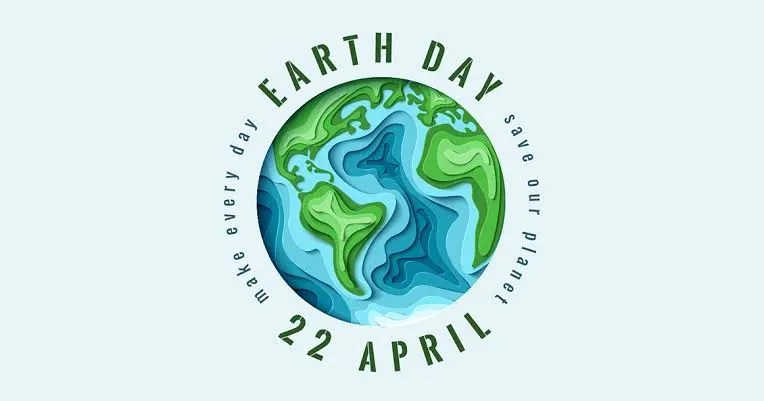
Earth Day is widely celebrated on April 22, a day to commemorate the planet that holds us, sustains us, and, through chance and fate, created humanity itself. A day like this should be regarded as one of the most important of all. This Earth is our most valuable possession: it is owned by no one, yet it provides for everyone. However, it is often dismissed as just another holiday. Many corporations exploit it, pretending to be “sustainable” for a week before quickly moving on to the next marketing cycle. Our planet is priceless; no price can be placed on it, yet the day is often commercialized and overlooked. Here is a glimpse into Earth Day’s history, significance, and impact. Ultimately, the holiday asks for just one day of gratitude in exchange for a lifetime of humanity, a melancholy reminder that we too often disregard the very world that made us.
Earth Day was established on April 22, 1970, by Senator Gaylord Nelson. That date was chosen deliberately, falling between spring break and final exams to maximize participation. Nelson believed students would be more likely to join during this lull since spring break had passed and final workloads had not yet begun. The senator was an inspiring conservation advocate who spoke out about environmental issues throughout his career. To him, the creation of Earth Day was a natural extension of his lifelong commitment to sustainability and to the planet’s welfare.
At the time of Earth Day’s creation, several pressing conditions fueled the call for environmental advocacy. There were few, if any, regulations on industrial pollution; factories could freely dump waste, release harmful gases, and even create acid rain that severely damaged the environment. Another catalyst was the catastrophic 1969 oil spill off the coast of Santa Barbara, which devastated marine wildlife and surrounding ecosystems. Ongoing war protests convinced Senator Nelson that public passion could drive meaningful change. Collectively, these factors inspired a national call for environmental awareness and sparked the establishment of Earth Day.
The results were immediate and significant. The first Earth Day drew an estimated 20 million Americans—nearly ten percent of the U.S. population at the time—into marches, demonstrations, and public gatherings to demand a cleaner, healthier planet (“The History of Earth Day,” EARTHDAY.ORG). That same year saw the creation of the United States Environmental Protection Agency (EPA), a federal organization dedicated to protecting both human health and the environment through laws, research, and enforcement. In the years that followed, four major environmental acts were passed: the National Environmental Education Act, the Occupational Safety and Health Act, the Clean Air Act, and, a few years later, the Clean Water Act. These laws reshaped national standards, reduced emissions, purified waterways, and improved public health. From public protest to policy, Earth Day transformed environmental awareness into tangible progress.
Yet today, the Earth is still taken for granted every second of every day, from the water we drink to the air we breathe. Too often we lack the empathy needed to correct our ignorance. Earth Day was created to remind people to reconnect with the planet, strengthening our sense of gratitude, concern, and responsibility. Days like this bring communities together, inspire action, and reshape our relationship with the natural world, guiding us toward a sustainable future. If we can uphold Senator Gaylord Nelson’s vision and continue his work, we may still protect the planet that allows us to thrive. Humanity still has work to do and, more importantly, gratitude to express. When we work to save the Earth, we work to save ourselves and every future yet to come.
 Great Oak Gazette
Leave a comment